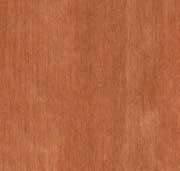
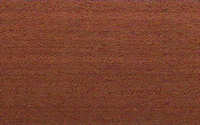
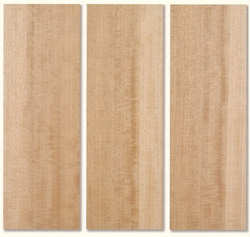
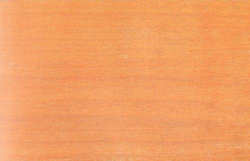
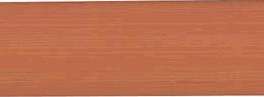
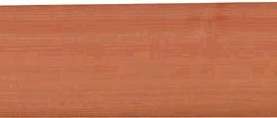
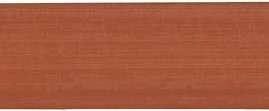
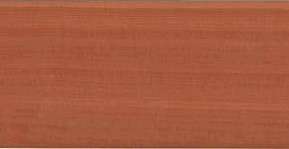
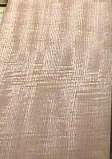
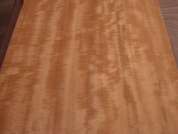
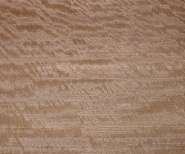
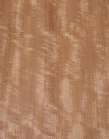
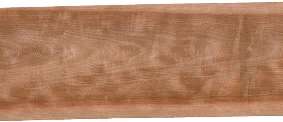
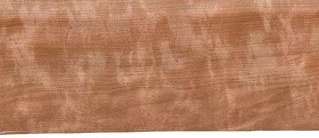
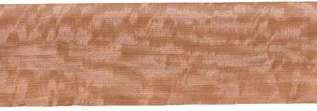
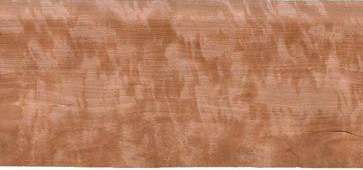
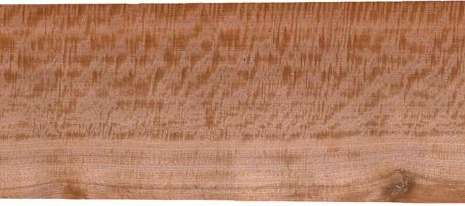
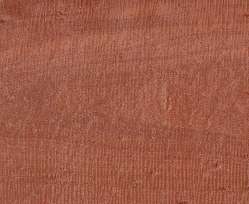
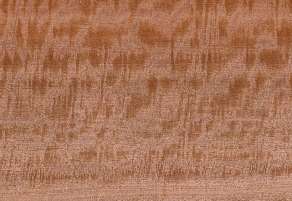
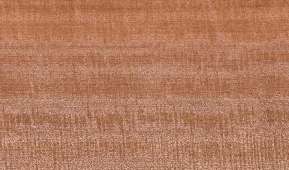
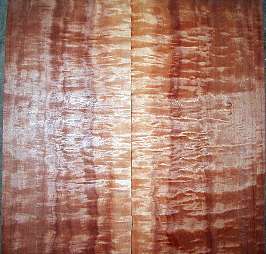
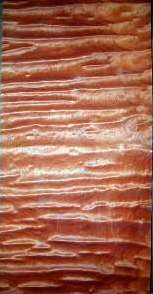
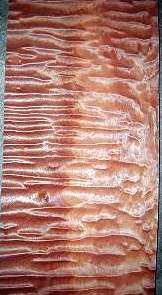
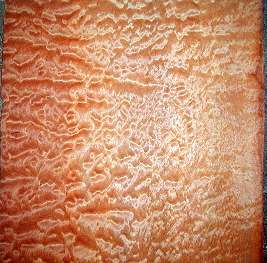
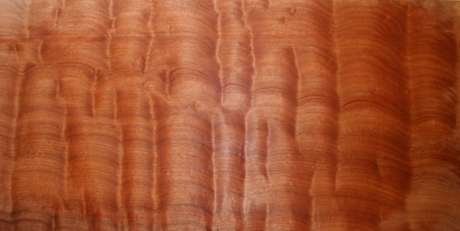
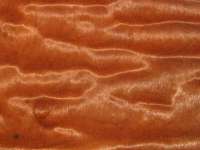
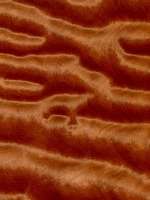
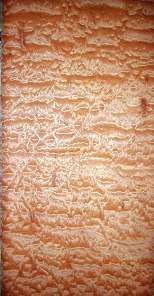
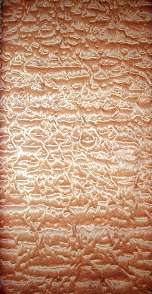
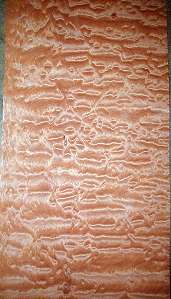
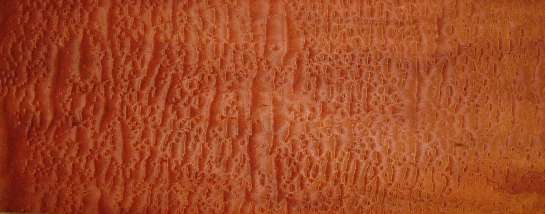
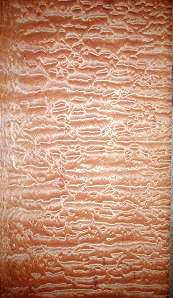
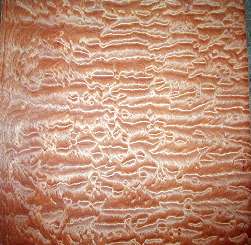
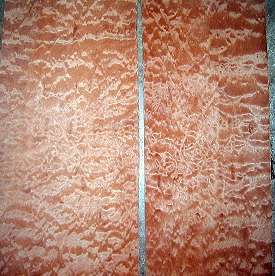
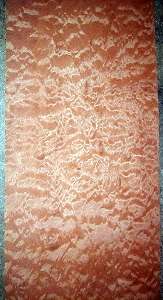
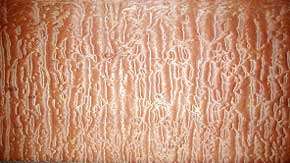
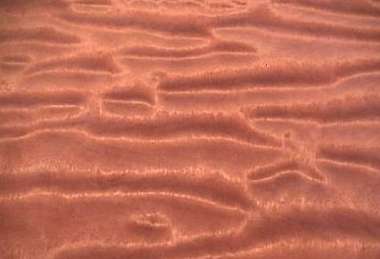
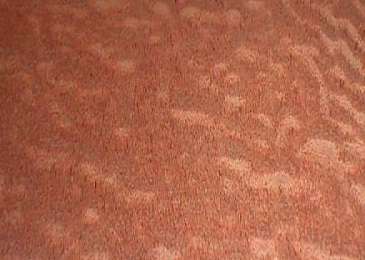
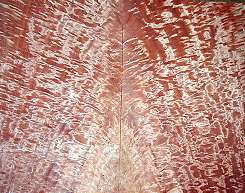
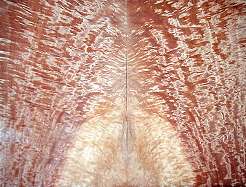
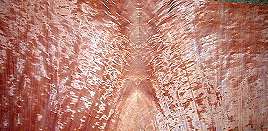
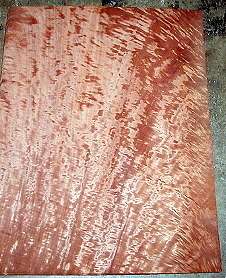
open main page here with limited thumbnails
open main page here with ALL thumbnails
MAKORE
Tieghemella spp.
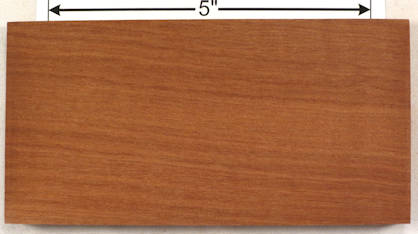
my samples:
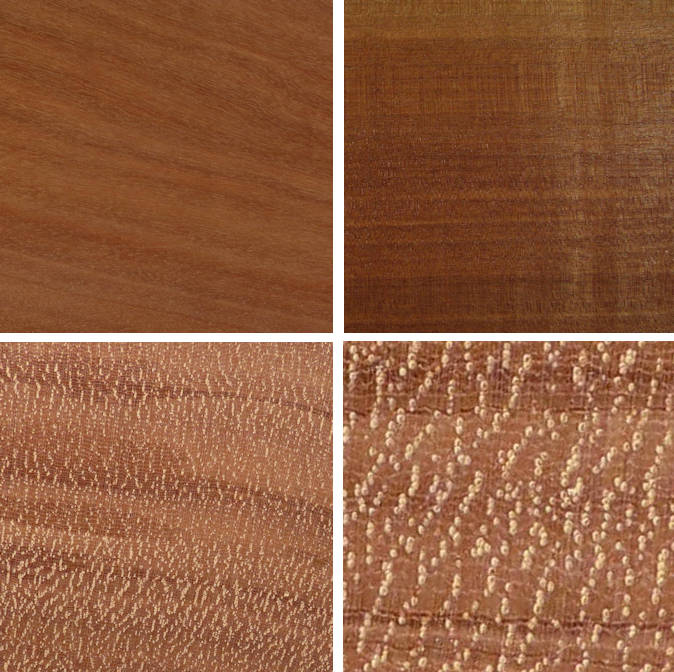
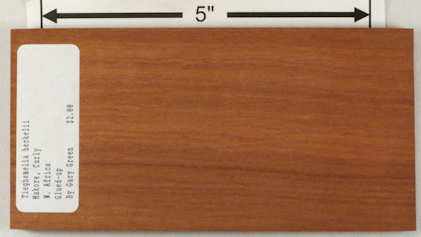
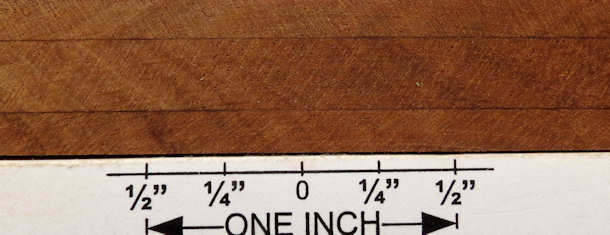
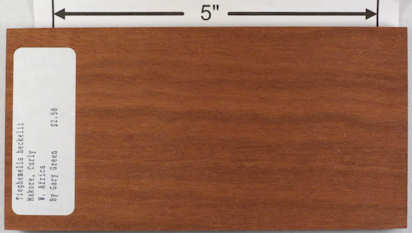
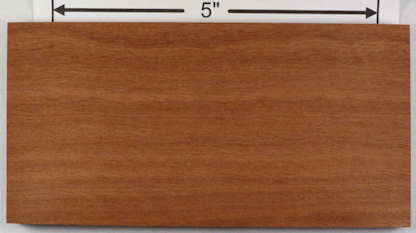
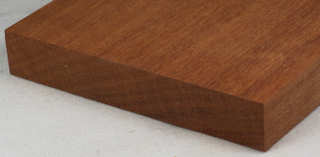
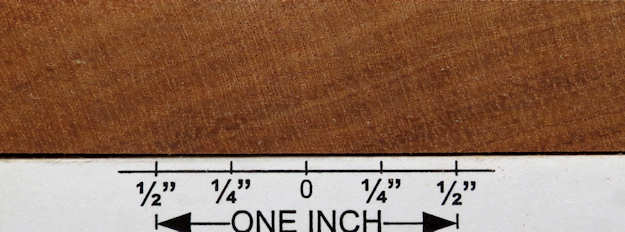
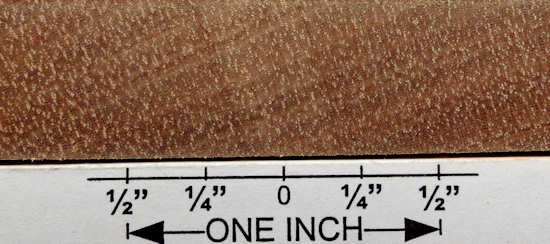
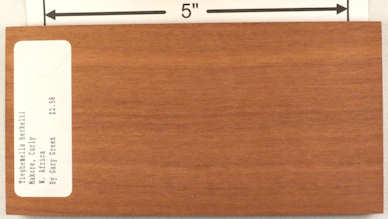
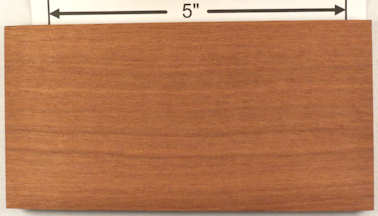
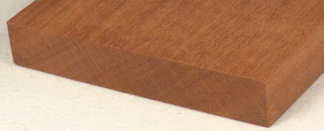
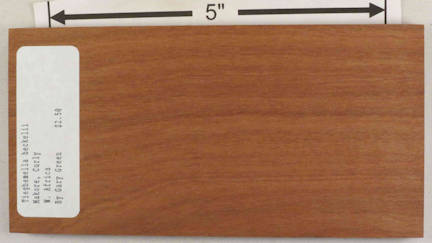
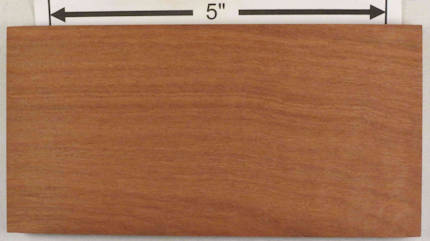
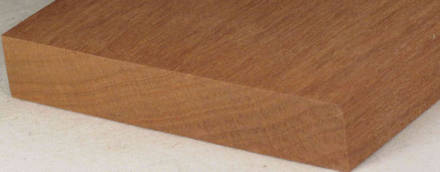
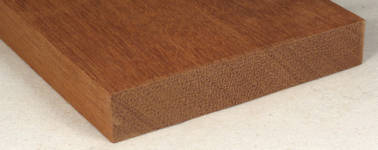
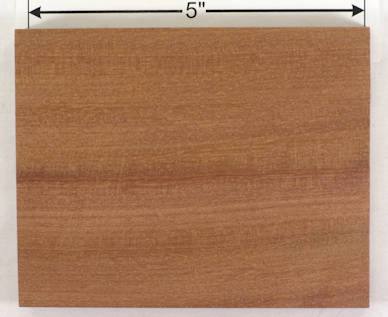
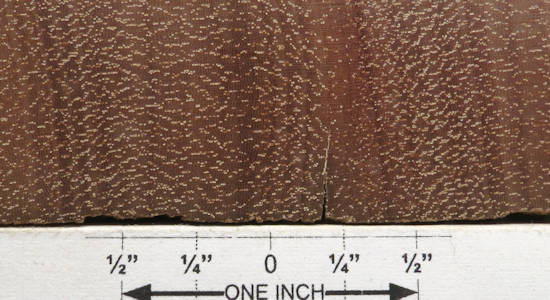
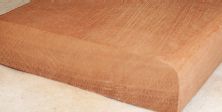
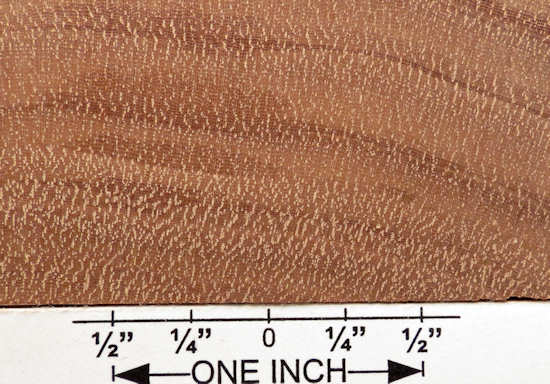
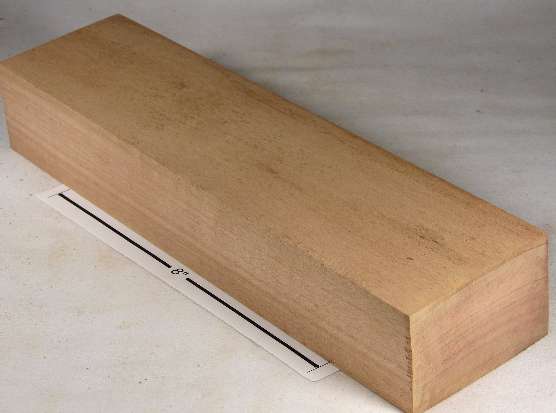
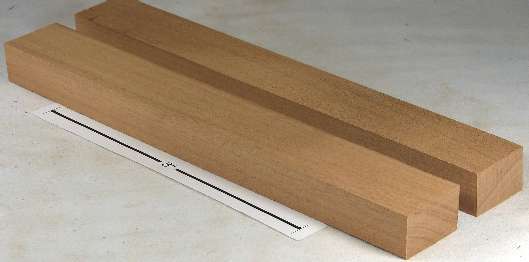
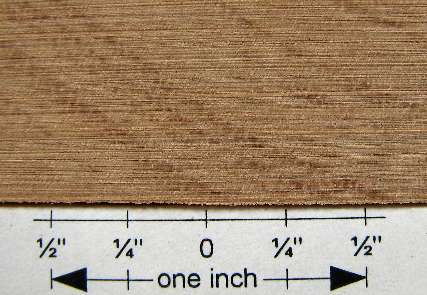
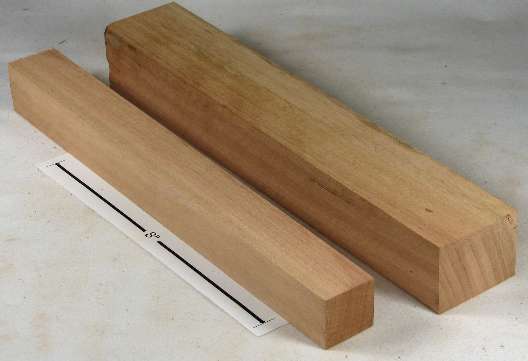
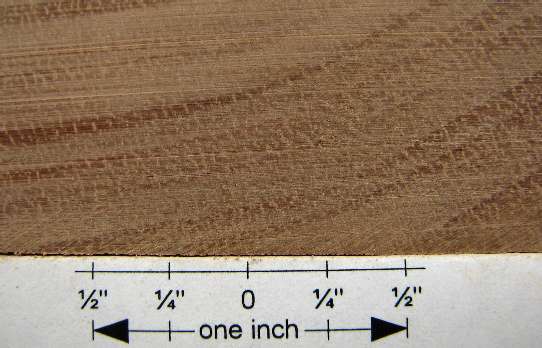
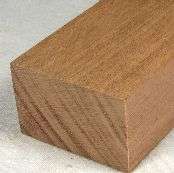
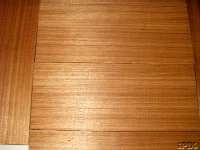
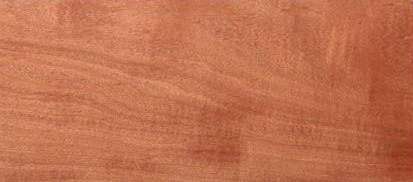
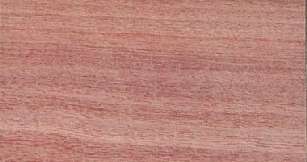
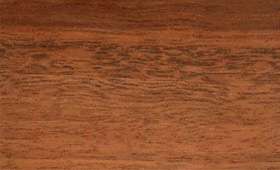
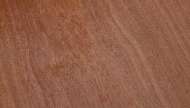
plank and end grain
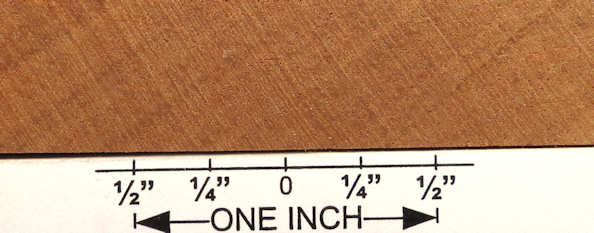
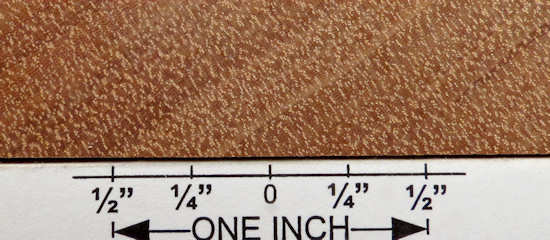
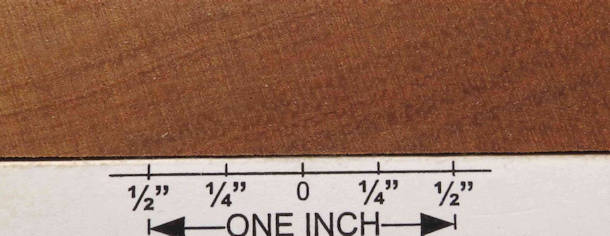
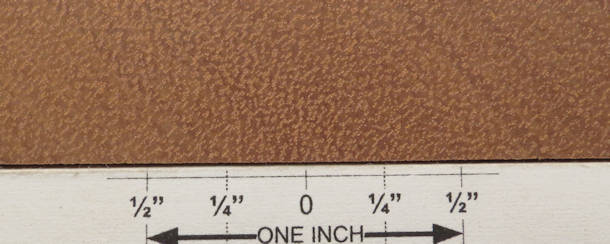
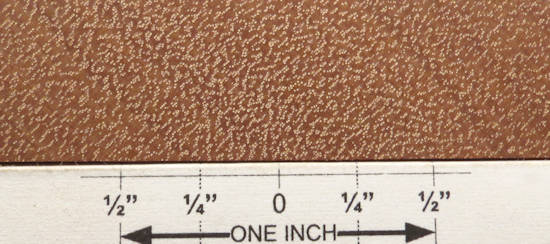
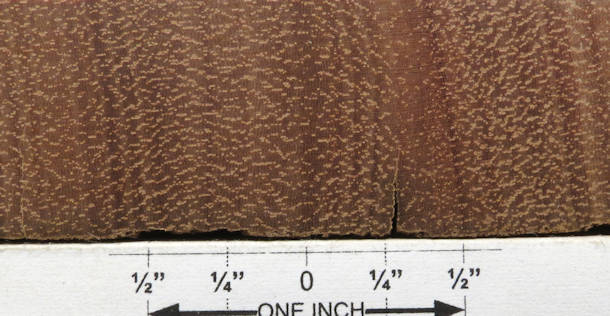
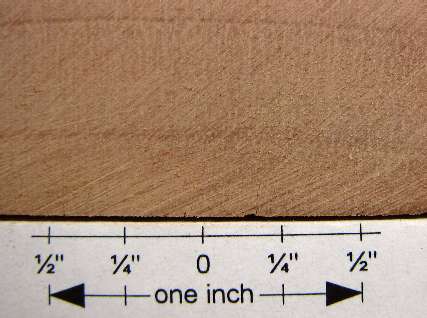
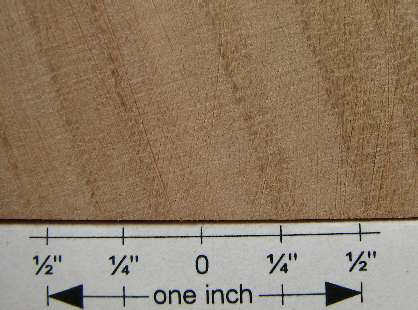
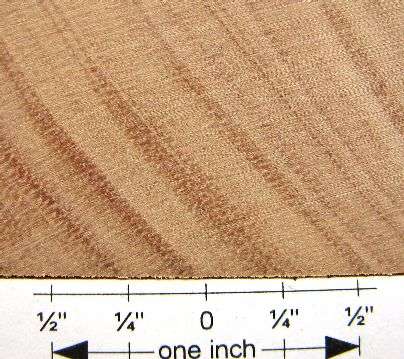
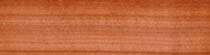
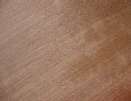
end grain closeup of the piece directly above
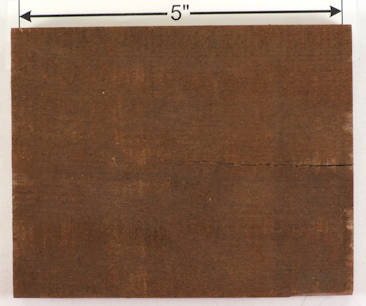
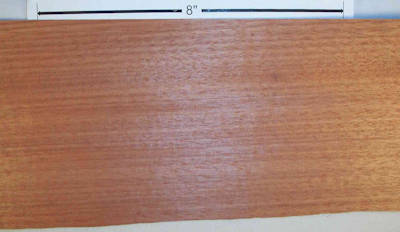
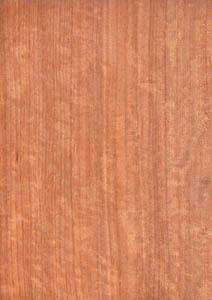
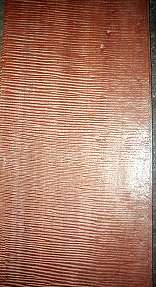
a plank that is quite brittle, grainy and VERY subject to tearout and chipping --- the pink color is accurate
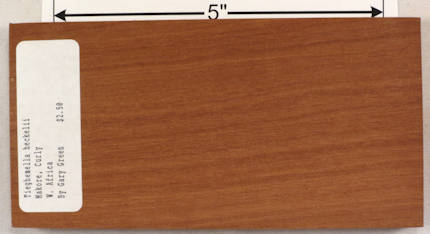
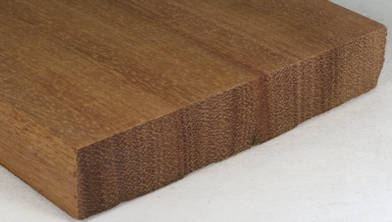
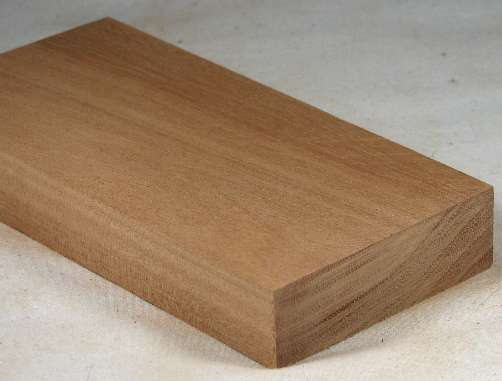
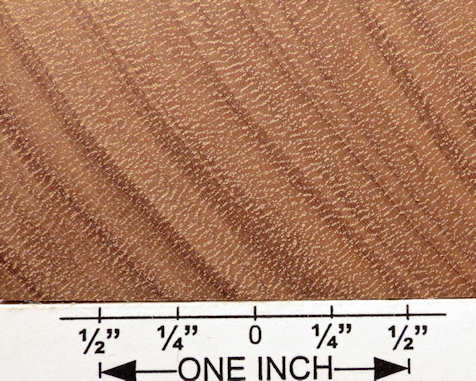
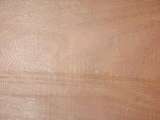
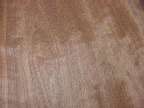
plank and end grain closeup
NOTE: the following several sets of plank pics are of wood from a vendor who sells extremely low quality wood for very low prices --- I buy this stuff as internal filler for some of my larger solid bowls and also for shop jigs and such. It's very stable and easy to work, but not particularly attractive --- it certainly doesn't look like any of the makore web pics below, except maybe the sapwood in some of them.
plank and end grain closeup --- almost certainly sapwood
planks (probably sapwood) and end grain closeup of one
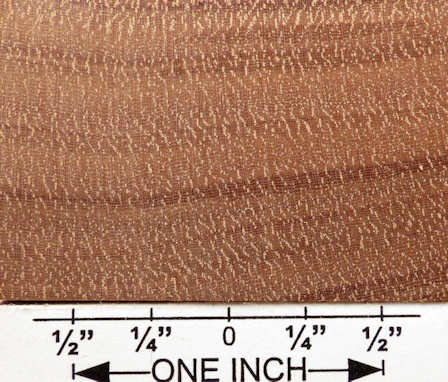
planks (possibly sapwood) and end grain closeup of one
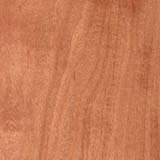
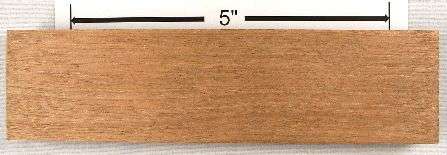
plank and end grain closeup
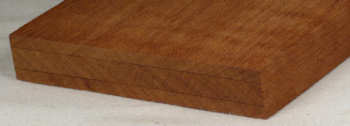
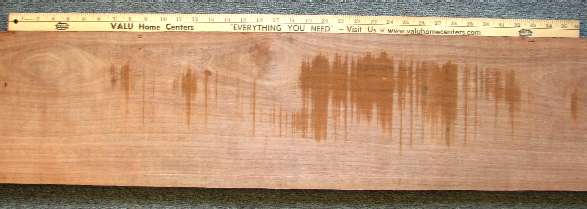
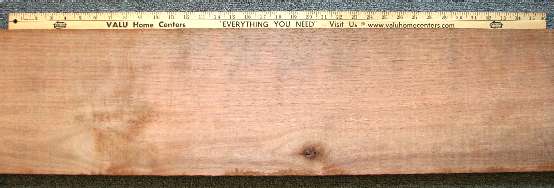
both sides of a section of a long plank that has only been rough-planed
plank and end grain --- this was cut from the larger plank above and fine sanded
end grain closeup of the piece directly above
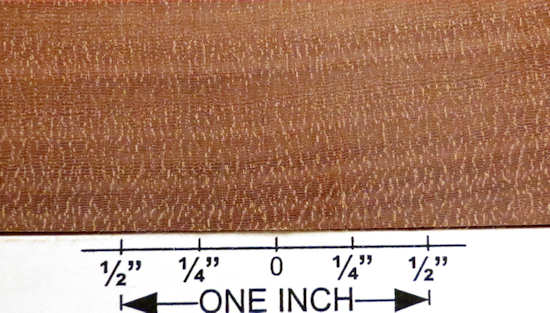
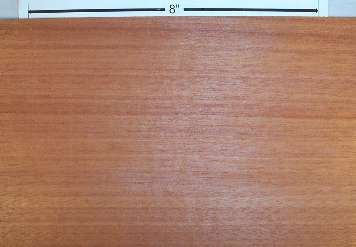
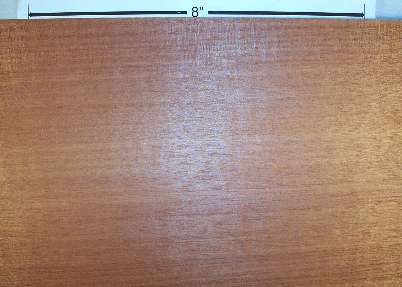
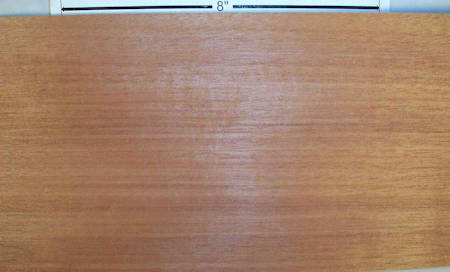
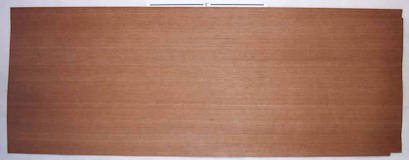
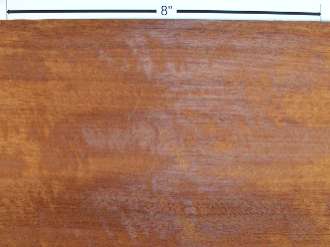
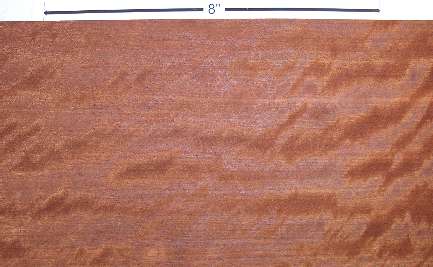
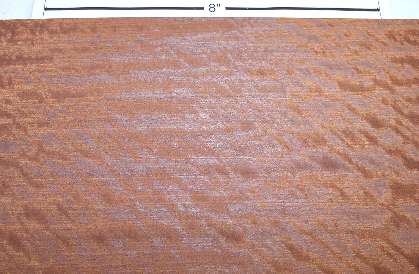
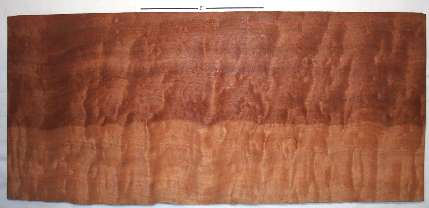
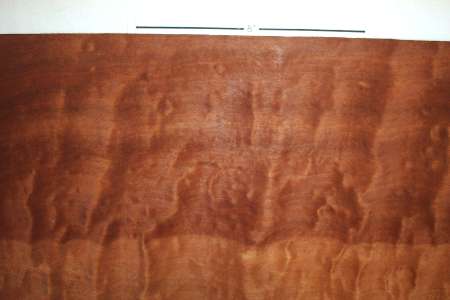
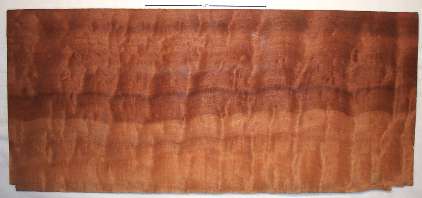
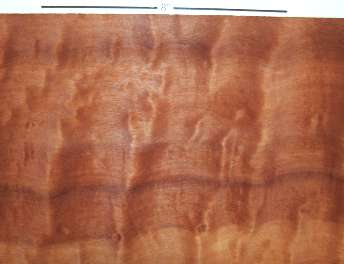
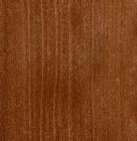
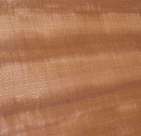
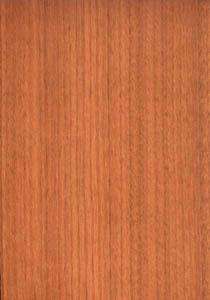
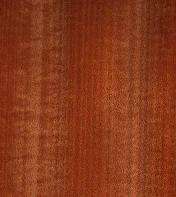
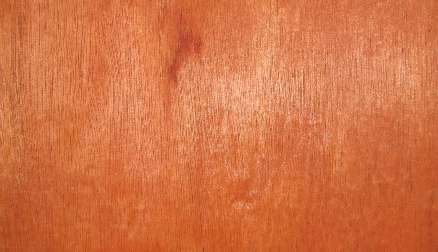
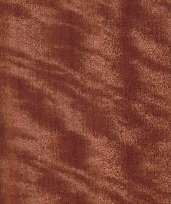
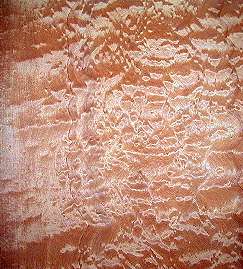
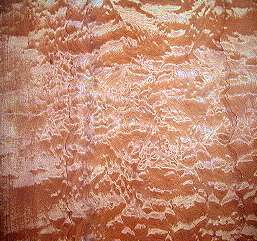
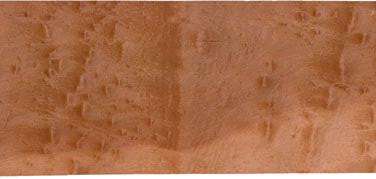
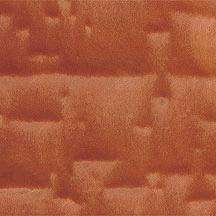
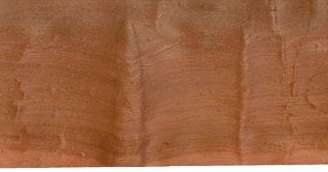
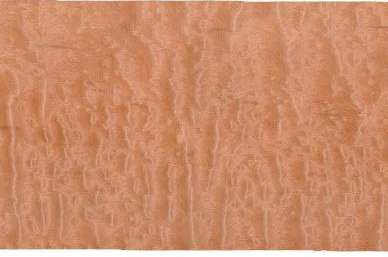
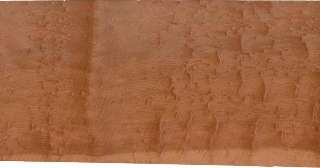
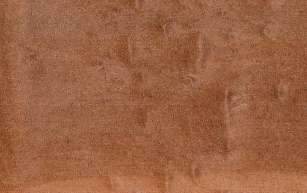
veneer
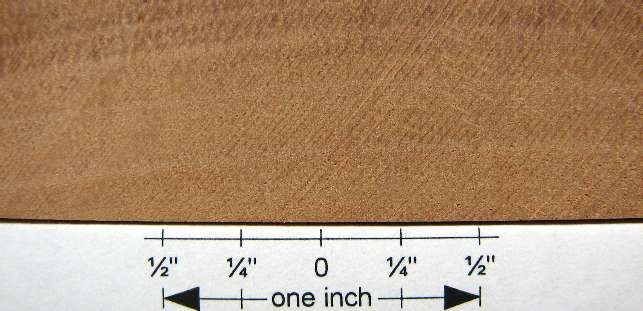
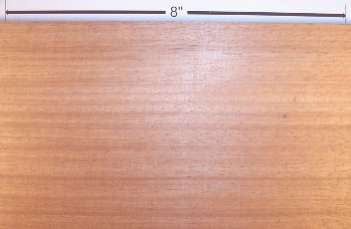
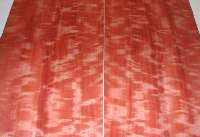
veneer sheet and closeup
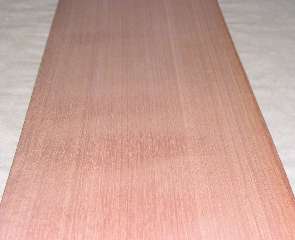
the web pic posted on ebay for a lot of quartersawn figured veneer that I now see I have cleverly forgotten to take any pics of --- I'll get to it
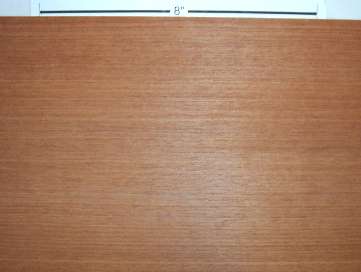
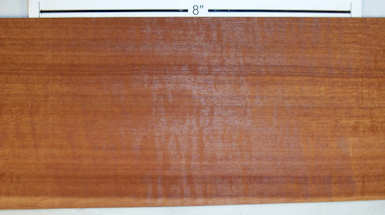
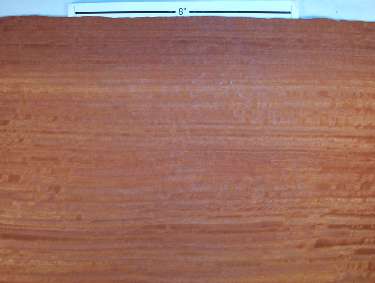
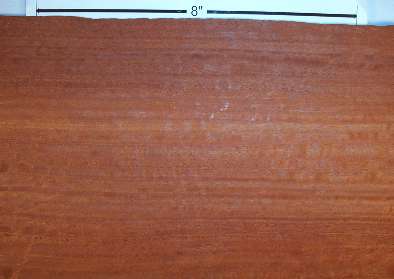
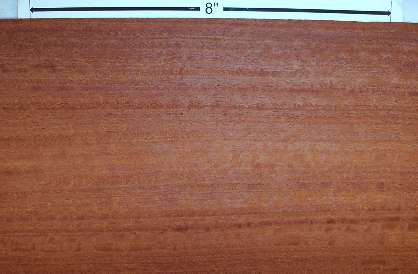
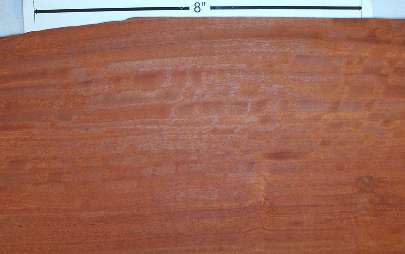
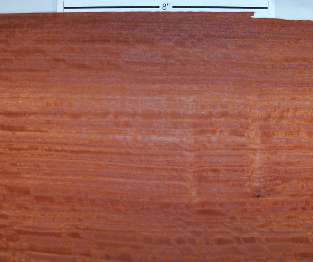
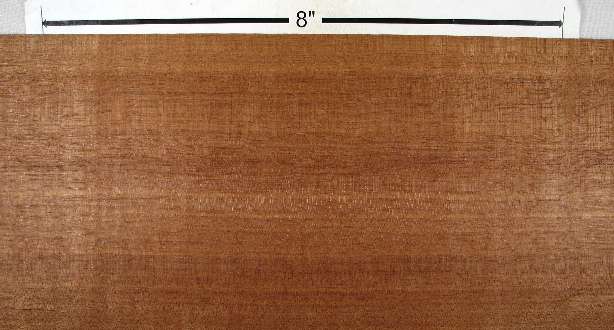
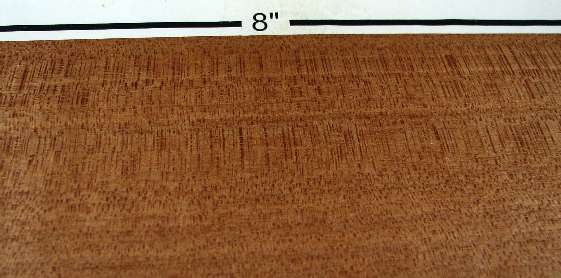
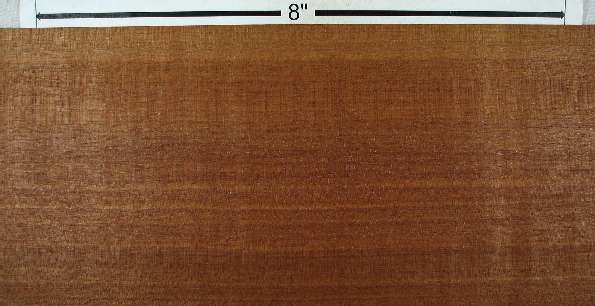
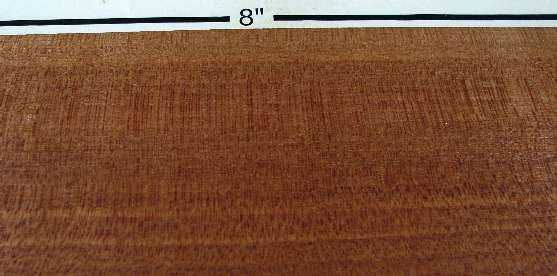
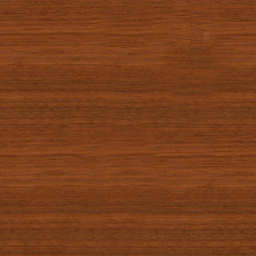
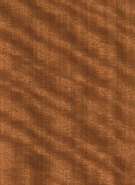
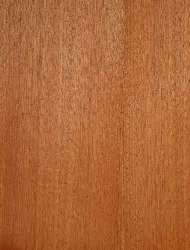
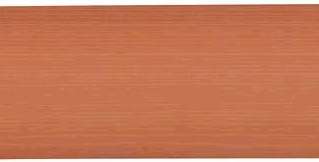
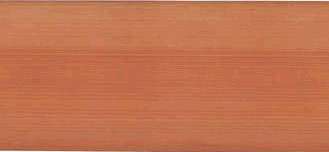
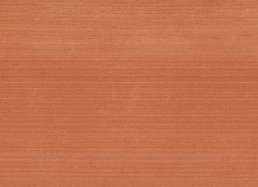
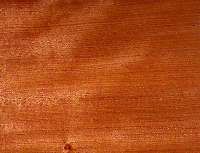
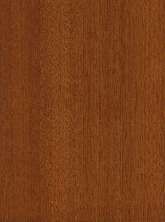
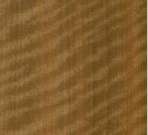
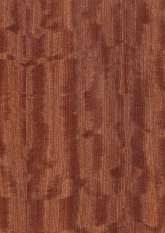
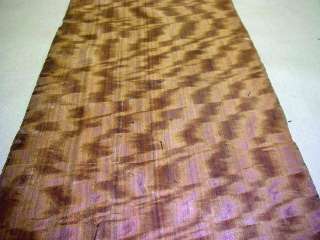
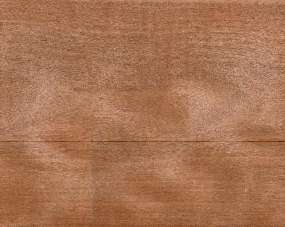
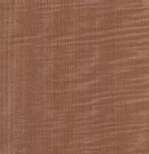
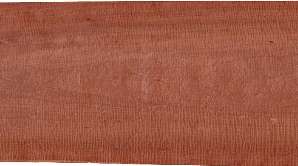
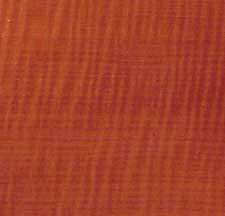
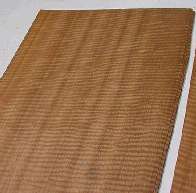
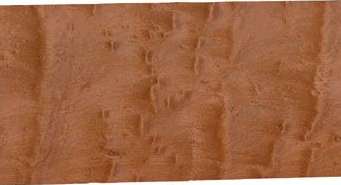
this piece of veneer is exceptionally hard and stiff for standard-thickness (nominally 1/42nd of an inch). The color is quite accurate.
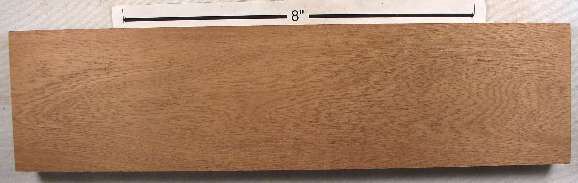
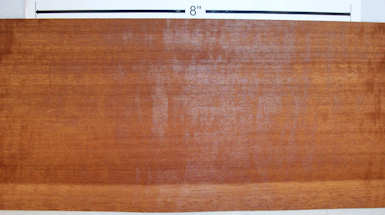
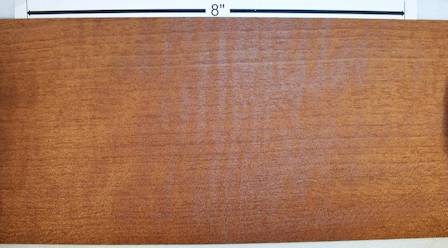
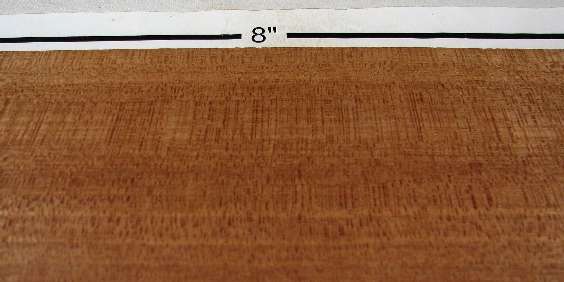
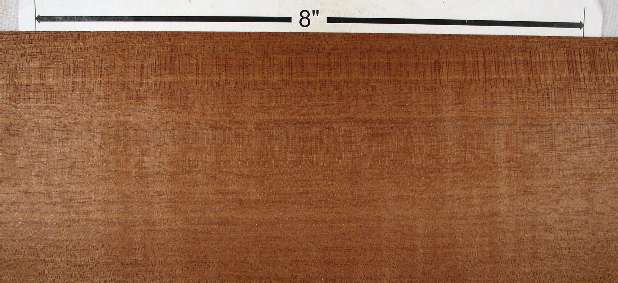
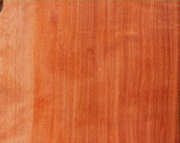
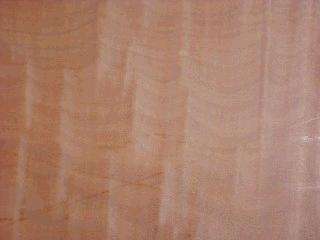
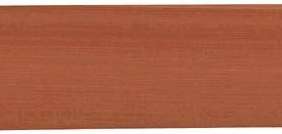
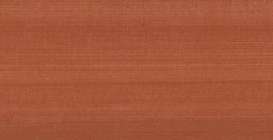
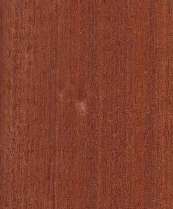
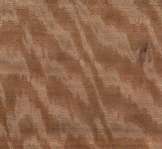
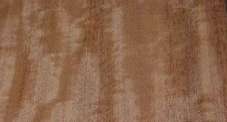
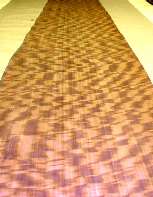
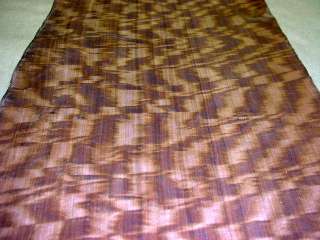
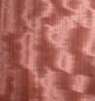
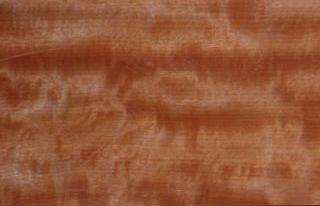
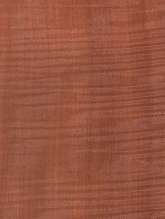
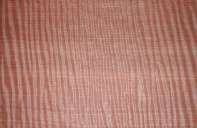
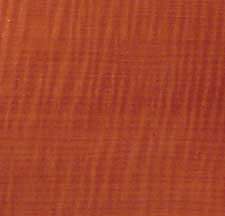
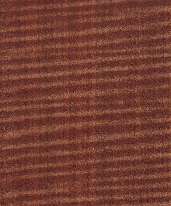
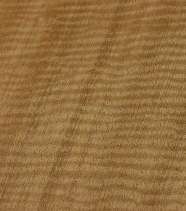
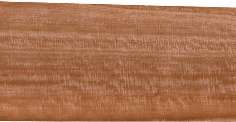
this piece of veneer has more red in it than the one above, but not as much as is shown here; it's a little more dull brown than pictured, and it is not as hard or stiff as the first sample.
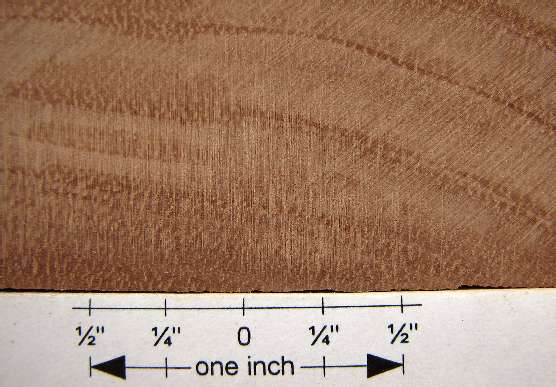
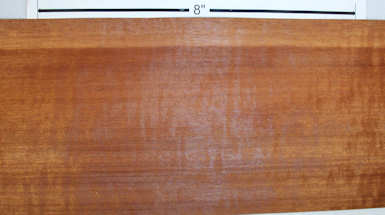
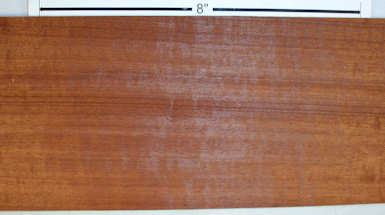
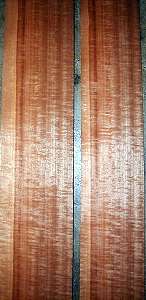
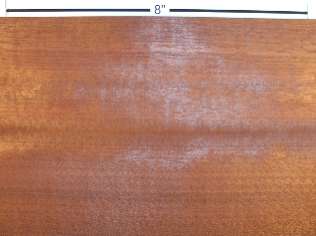
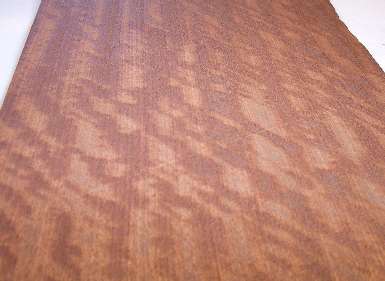
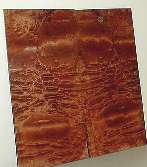
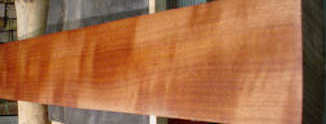
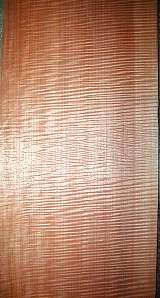
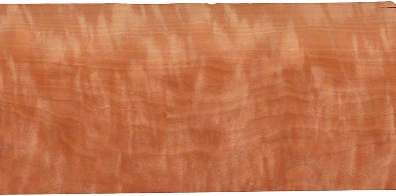
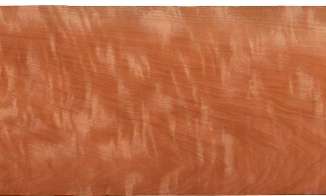
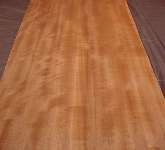
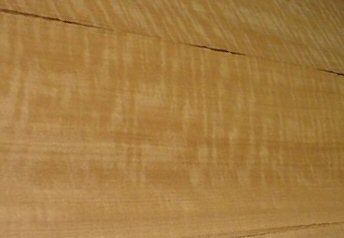
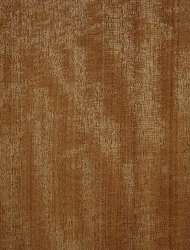
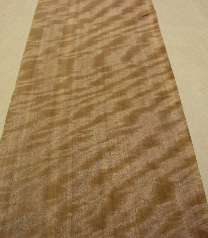
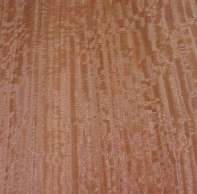
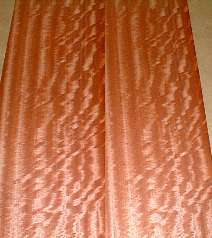
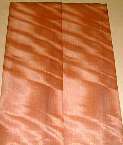
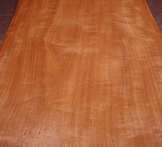
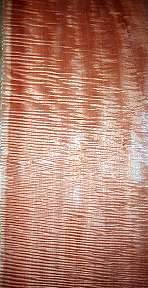
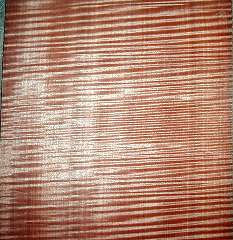
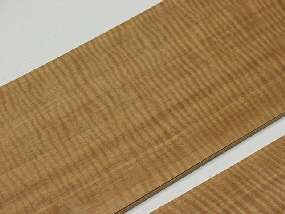
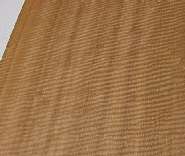
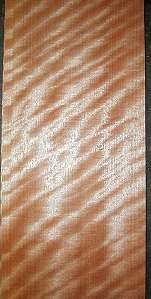
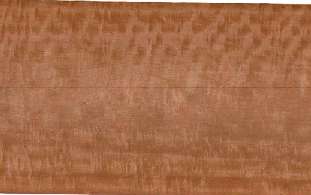
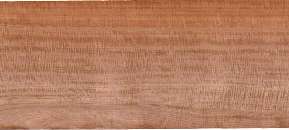
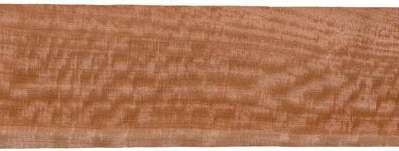
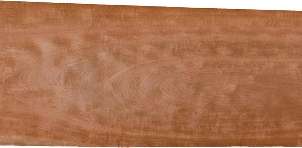
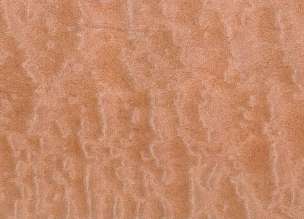
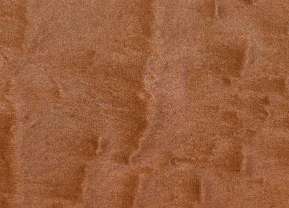
figured makore veneer. In texture and color, this piece is very similar to the one directly above, and like it, the color shown here is slightly too red. However, this piece has a pronounced figure, which can hardly been seen in the head-on picture; if you look at the sheet from an angle, the figure is quite clear and looks very similar to that in the first web pic below
figured veneer
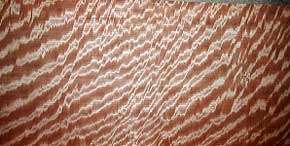
figured veneer with an angle shot to emphasize the figure. The apparent color changes slightly with the shift in angle
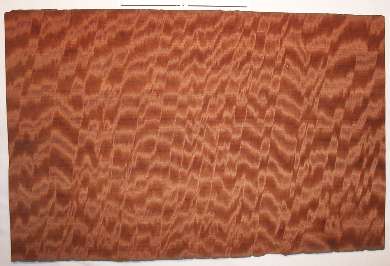
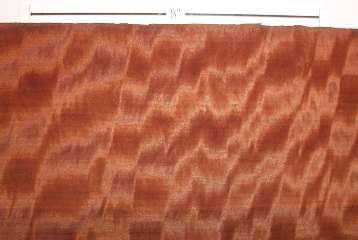
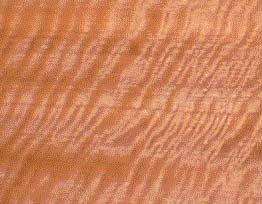
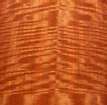
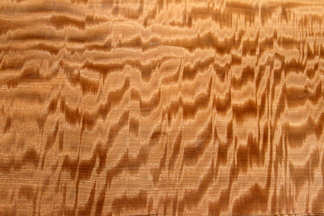
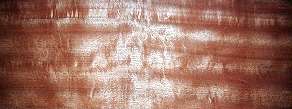
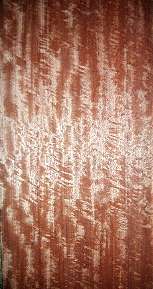
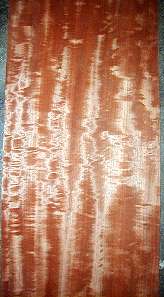
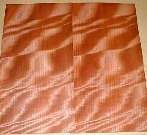
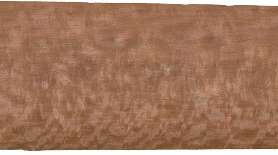
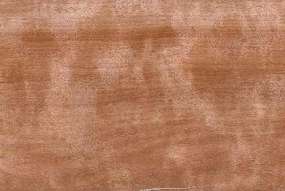
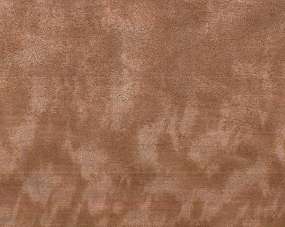
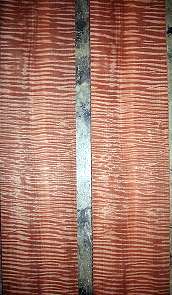
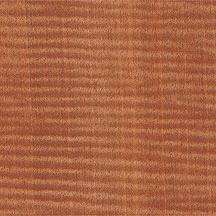
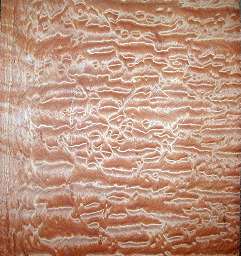
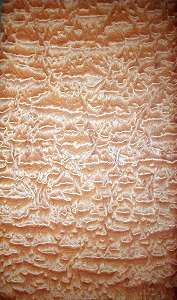
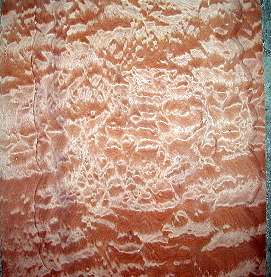
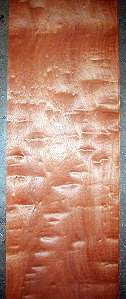
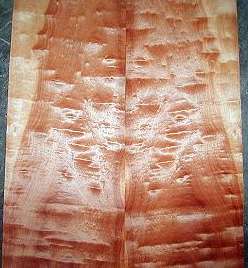
razor mottle sheet and closeup --- rich color is accurate and this is an excellent example of attractive razor mottle
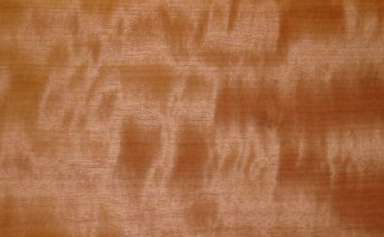
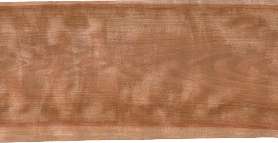
mottled veneer and closeup --- color is accurate, light color at top is sapwood
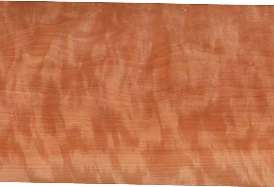
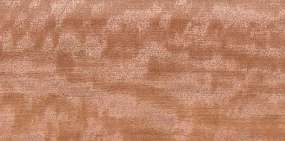
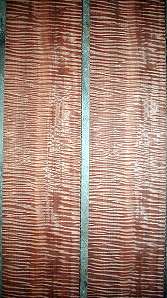
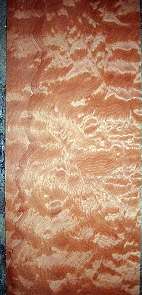
two sheets of quilted veneer and a closeup of each --- light color is sapwood, colors are accurate
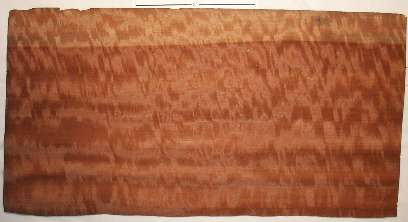
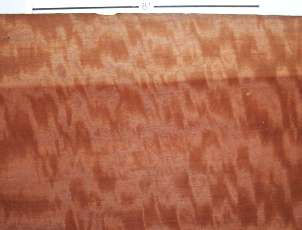
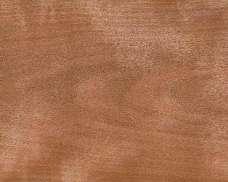
bee's wing veneer --- some of these pieces have a pretty light figure, but they are all bee's wing mottle. The last two pics have both levels of enlargement.
NOTE: the following 3 sets show veneer sheets that have a noticible flaky grain and each set has a head-on pic and an angled pic that shows the flake a little better. This is typical of the flake on makore, which when it HAS ray flakes, has very skinny, tight ones, like these. It's similar to what you sometimes see in cherry, but nothing like what you can find in oak.
flaky veneer set 1
flaky veneer set 2
flaky veneer set 3
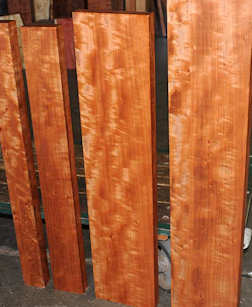
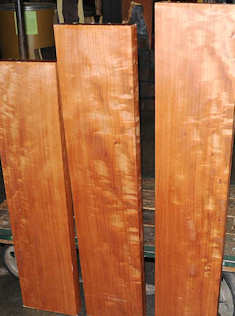
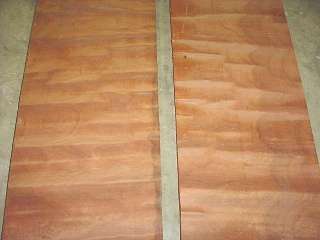
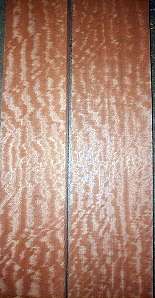
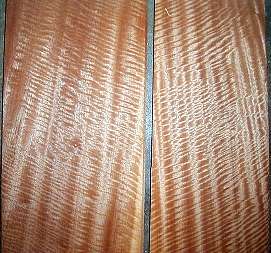
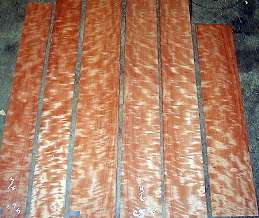
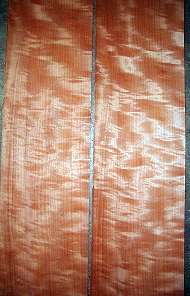
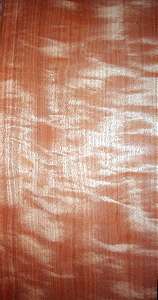
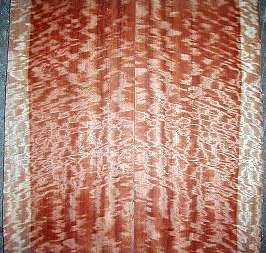
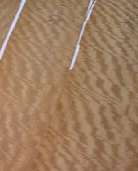
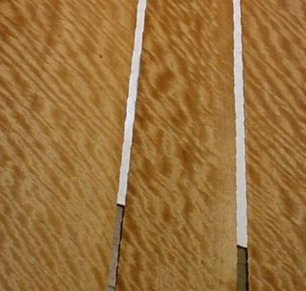
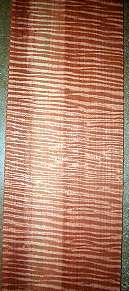
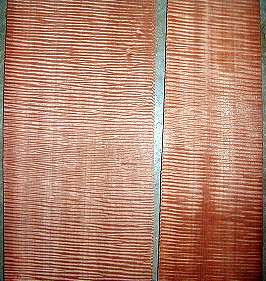
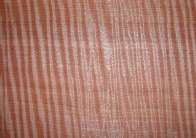
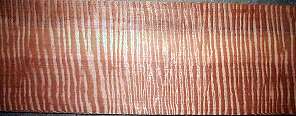
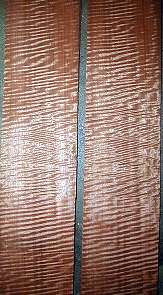
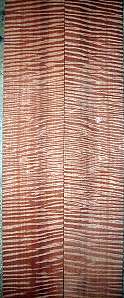
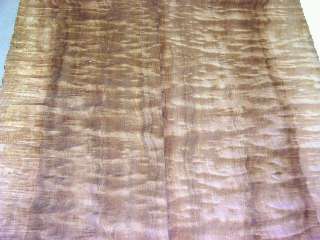
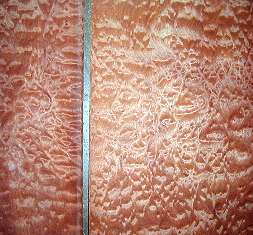
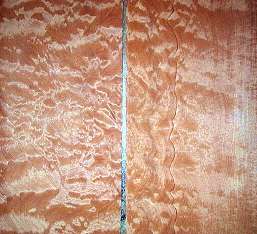
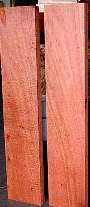
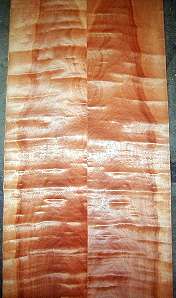
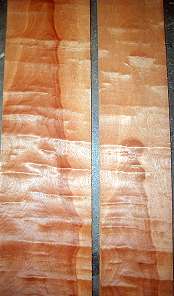
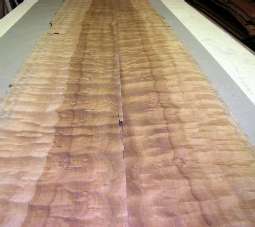
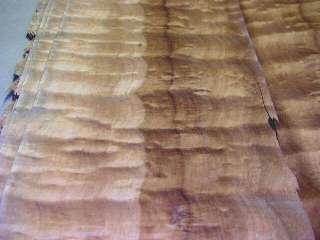
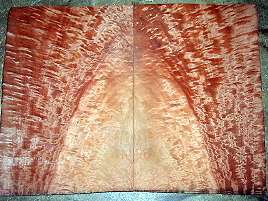
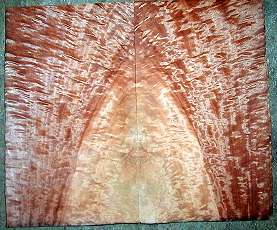
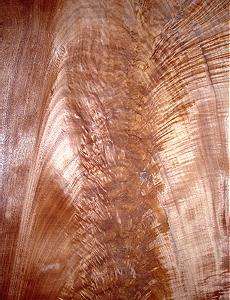
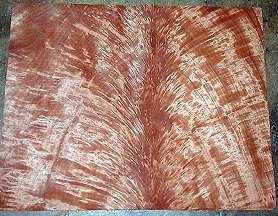
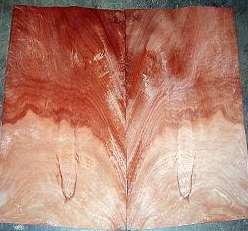
"curly" makore bookmatched planks that seem to me to more deserve the designation "quilted" than curly. These pics were provided by Michael Schwing from Baltimore who made an amazing table from these (see bottom of page). I lightened the color just a bit so the quilting could be seen more clearly.
web pics
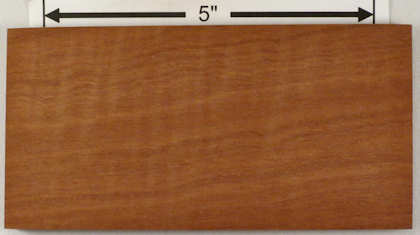
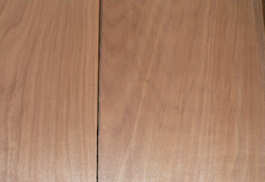
misc planks --- the color in the second shot is clearly bogus, as my second sample above was taken from this lot and the color of the actual wood is much more subdued and what is shown in the picture. Just another example of how wood is misrepresented on the Internet.
planks
quartersawn plank
figured planks
block mottle plank
fiddleback plank
curly planks
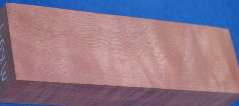
turning stick
veneer
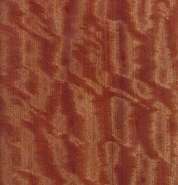
although listed as makore veneer, this looks to me to be mahogany veneer
veneer, all from the same vendor
veneer sheet closeups with both levels of enlargement available --- these are from the same vendor as those directly above
quartersawn veneer
curly veneer
mottled veneer
quartersawn mottled veneer
block mottle veneer
quartersawn block mottle veneer
razor mottle veneer
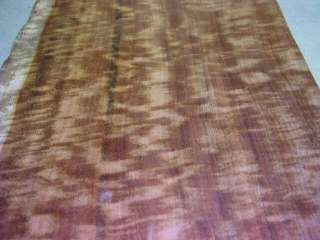
veneer sheet and closeup --- this was being sold as "bee's wing" but it clearly is NOT bee's wing, it is block mottle (or with a mild stretch it could be called razor mottle)
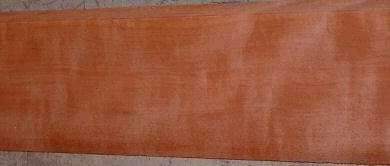
listed as "bee's wing" veneer, this would have been sold by some vendors as just "mottled", but the bee's wing designation is reasonable
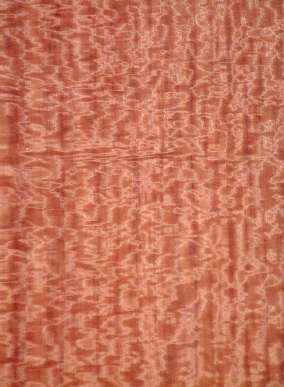
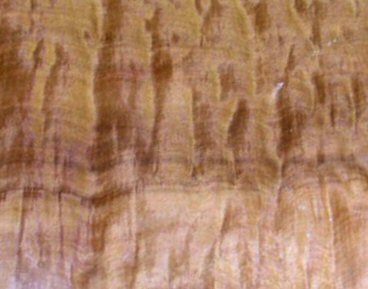
figured veneer --- several of these really should have been listed as razor mottle
figured veneer, all from the same vendor
figured veneer sheet closeups with both levels of enlargement available --- these are from the same vendor as the set directly above
fiddleback veneer
veneer listed as "curly makore" but from a vendor whose pics are notoriously unlike to wood's true color, so I'm confident that the green color is NOT what the wood looks like
"fiddleback" veneer all from the same vendor, who seems to me to be listing mottled veneer as fiddleback
fiddleback veneer sheet closeups --- these are from the same vendor as the batch directly above and both levels of enlargement are available (and again, this seems more like mottled than fiddleback except for the first one)
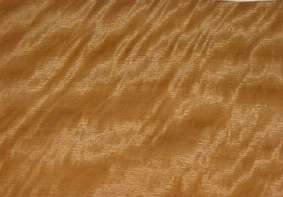
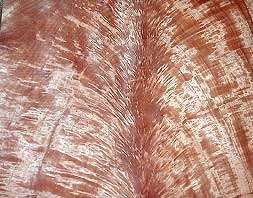
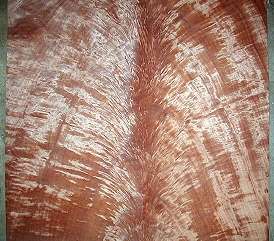
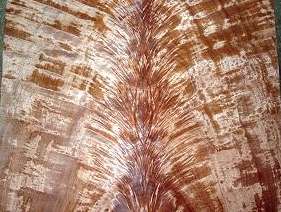
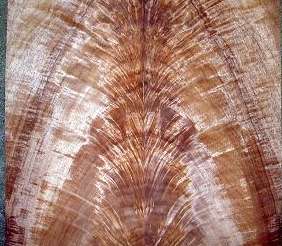
waterfall veneer --- the 3rd piece look to be just pomelle
"quilted" plank --- doesn't look quilted to me
quilted veneer
quilted veneer that would be referred to by some vendors as "sausage-quilt" because the very heavy quilting looks somewhat like tubes of sausage.
quilted veneer
veneer listed as pomelle, although most vendors would list it as quilted
pomelle veneer
pomelle veneer, all from the same vendor
pomelle veneer sheet closeups with both levels of enlargement available. These are from the same vendor as the set directly above.
pomelle plank
veneer listed as "pomelle, drape" figure
blistered veneer
veneer listed as "blistered" --- from the same vendor who listed the "pomelle, drape" directly above and who is notoriously casual about naming conventions
veneer listed as quartersawn with "drape" figure
crotch veneer
swirl veneer
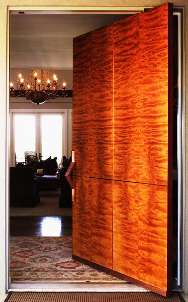
door made from pomelle makore. It didn't say whether this was solid or veneer, but one assumes veneer. The inlay stripes are copper and the handle is also copper. There was no mention of finish, but the red color is certainly not the natural wood color.
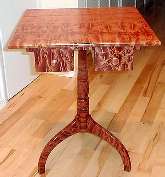
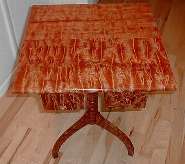
curly makore pedestal table made by Michael Schwing of Baltimore. The enlargements show it better. The surfaces were handplaned or scraped, no sandpaper, and finished with one coat of Watco Natural Danish Oil, followed by one coat of clear shellac sealer, and then 3 coats of Arm-R-Seal tung/varnish. No color was added.